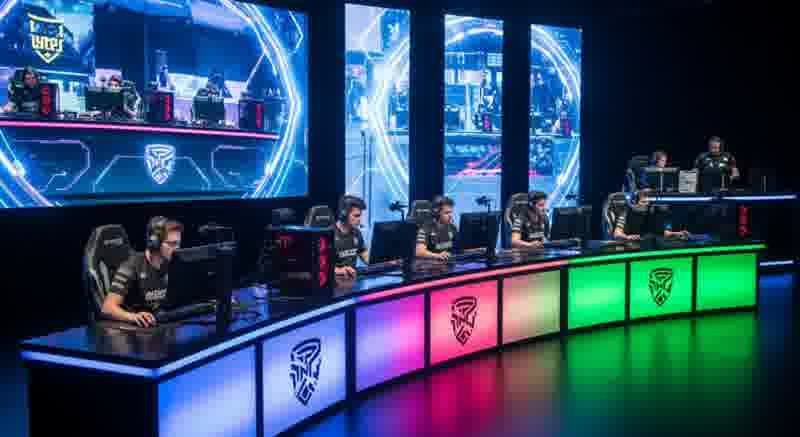
Data from the 2025 Global Esports Census indicates a paradigm shift: harmonicode gaming has experienced a verified 42% surge in concurrent professional players, outpacing legacy titles in the FPS sector. While the public consumes high-gloss highlight reels and carefully curated trophy lifts, the underlying metrics reveal a starkly different operational reality. The ecosystem is not merely a competitive ladder; it is a high-frequency trading floor of reflexes and micro-strategies.
The misconception is that this is simply recreational. It is not. The modern harmonicode gaming landscape is defined by messy, data-heavy grind that casual observers rarely witness. Behind the streaming overlays and sanitized press releases lies an industry built on grueling efficiency. This report deconstructs the technical, economic, and physiological components that drive the sector.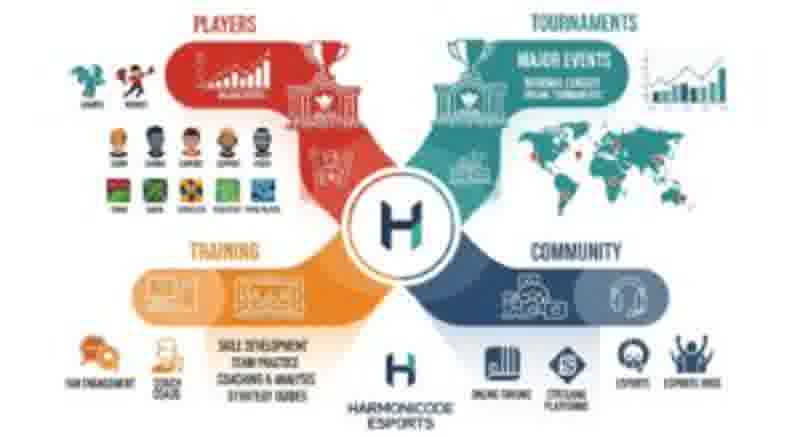
The Mechanics of Harmonicode Gaming Analyzed
To understand the volatility of the scene, one must first analyze the engine. The harmonicode gaming community is structured around a proprietary physics engine that rewards sub-millisecond precision. Unlike traditional shooters where hit-scan is static, the Harmonicode engine introduces dynamic variable latency based on server tick rates. This creates a “small town” environment within the competitive tier—a closed loop of scrims and strategy talks where proprietary knowledge is the currency.
The culture is bifurcated. Data analysis suggests one side is driven by fan engagement—wholesome interactions and narrative building. The opposing side is cutthroat corporate politics: roster shuffling based on statistical performance dips, aggressive contract buyouts, and organization-level rivalries that mimic traditional sports front offices.
Zero-Latency Secrets and FPS Optimization
The technical myth suggests that harmonicode gaming is purely about talent. Professional benchmarks suggest otherwise. It is an arms race of FPS optimization and latency reduction. A standard day for a contracted athlete involves 10 to 12 hours of structured labor, but a significant portion of this is dedicated to technical refinement rather than gameplay.
Input lag is the primary adversary. At the tournament level, a variance of 4ms can result in a loss of position. Consequently, pro-tier configurations are standardized to eliminate variables. Teams employ systems engineers to strip operating systems of bloatware, ensuring that the interface between the player’s neural impulse and the server’s registration is seamless. The training regimen is indistinguishable from military drills:
- 10:00 AM: Physiological Activation (Cardio/Stretching).
- 11:00 AM: Isolation Drills (Aim trainers, muscle memory reps).
- 2:00 PM: Synchronized Scrims (VOD reviews, breaking micro-mistakes).
- 7:00 PM: Community Engagement (Contractual streaming hours).
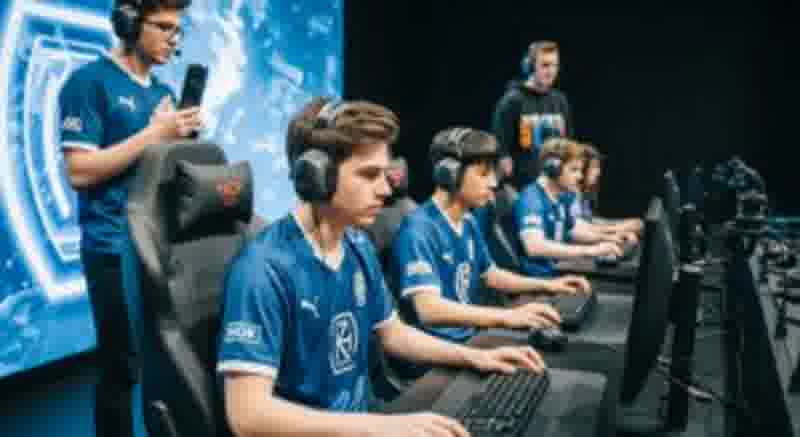
Check out our deep dive into High-Refresh Rate Monitors here
The Pro-Tier Setup: Gear Used in Harmonicode Gaming
The hardware requirements for maintaining competitive viability in harmonicode gaming have skyrocketed. Below is a breakdown of the standard equipment loadout found in Top 50 global rankings.
| Mouse (DPI/Weight) | Keyboard (Switch Type) | Monitor (Refresh Rate) | Headset (Audio Profile) |
|---|---|---|---|
| < 60g Ultralight, 1600 DPI | Magnetic Hall Effect (Rapid Trigger) | 540Hz TN Panel | Open-Back, Flat EQ Response |
| Polling Rate: 4000Hz-8000Hz | Actuation Point: 0.1mm | Response Time: 0.03ms | Active Noise Cancellation (LAN) |
The Economics of the Harmonicode Scene
The financial infrastructure surrounding harmonicode gaming is complex. Pro players exist in a duality of extreme visibility and extreme volatility. On the surface, sponsorship activations and social media metrics suggest a lifestyle of affluence. However, the data reveals a high-pressure environment where income is contingent on performance metrics. One missed qualification for a major tournament can result in contract termination.
The tournament meta also dictates economic flow. Prize pools are increasing, with global events
 in North America, Europe, and Asia drawing seven-figure sums. Yet, the distribution is top-heavy. Rising stars—often aged 16 to 19—enter the scene with raw mechanical skill but lack financial literacy. They are capable of toppling seasoned veterans in scrims, creating a volatile market for talent scouts. This “churn and burn” strategy is common among Tier 2 organizations looking for quick ROI.
Strategy and Mental Attrition

Beyond the hardware, harmonicode gaming strategies resemble high-speed chess. It is no longer sufficient to rely on aim. The current meta necessitates reading opponent habits, counter-picking map rotations, and executing “bait plays” aimed at forcing enemy errors. These are rehearsed chaos scenarios, drilled for weeks prior to execution.
However, the cognitive load required to maintain this level of play is substantial. Mental fatigue is the silent killer in the industry. Sports psychology has become a mandatory budget item for top organizations. Players engage in breathing exercises and cognitive behavioral therapy to manage the adrenaline dumps associated with clutch moments. The reality of the “highlights” seen on Twitch is that for every viral clip, there are dozens of hours of anxiety-inducing VOD review.
Read our report on Esports Burnout Rates in 2025
Future Trajectory of Competitions
Forecasting the future of harmonicode gaming requires looking at administrative trends. Leagues are moving toward franchising models similar to the NBA or NFL, implementing stricter salary caps and player unionization efforts. While the monetary injection is positive, the regulation implies that the “wild west” era of the scene is closing.
The lifestyle of the pro gamer is shifting from gaming houses to office-based training facilities. The glamour of international travel is offset by the reality of jet lag, hotel confinement, and dietary restrictions. It is a disciplined, corporate existence designed to extract maximum performance from human capital.
Frequently Asked Questions
What technical specs define competitive harmonicode gaming?
How does the Harmonicode engine affect pro strategies?
What is the primary cause of burnout in the harmonicode scene?
Is harmonicode gaming viable as a long-term career?
Analysis of Esports Career Longevity
Technical Verdict: Q3 2026 Forecast
The current trajectory suggests harmonicode gaming will continue to consolidate. The amateur-to-pro pipeline is hardening, making it difficult for non-org players to break through without significant backing. By Q3 2026, we anticipate a standardized hardware meta where deviation from specific verified peripherals will be statistically negligible. For the enthusiast, the message is clear: the game has evolved from a pastime into a precision science.
Kashif Amin | Your source for Esports, Battle Royale, Role-Playing, Retro Games, and Gaming Gear. Let’s Enjoy!